
Relieve pain. Restore movement. Reconnect with your body.
When pain, restriction or discomfort get in the way of how you live and move, osteopathy can help. Rather than focusing on one isolated symptom, your osteopath looks at how your whole body is working — so they can treat the root of the issue, not just the symptom.
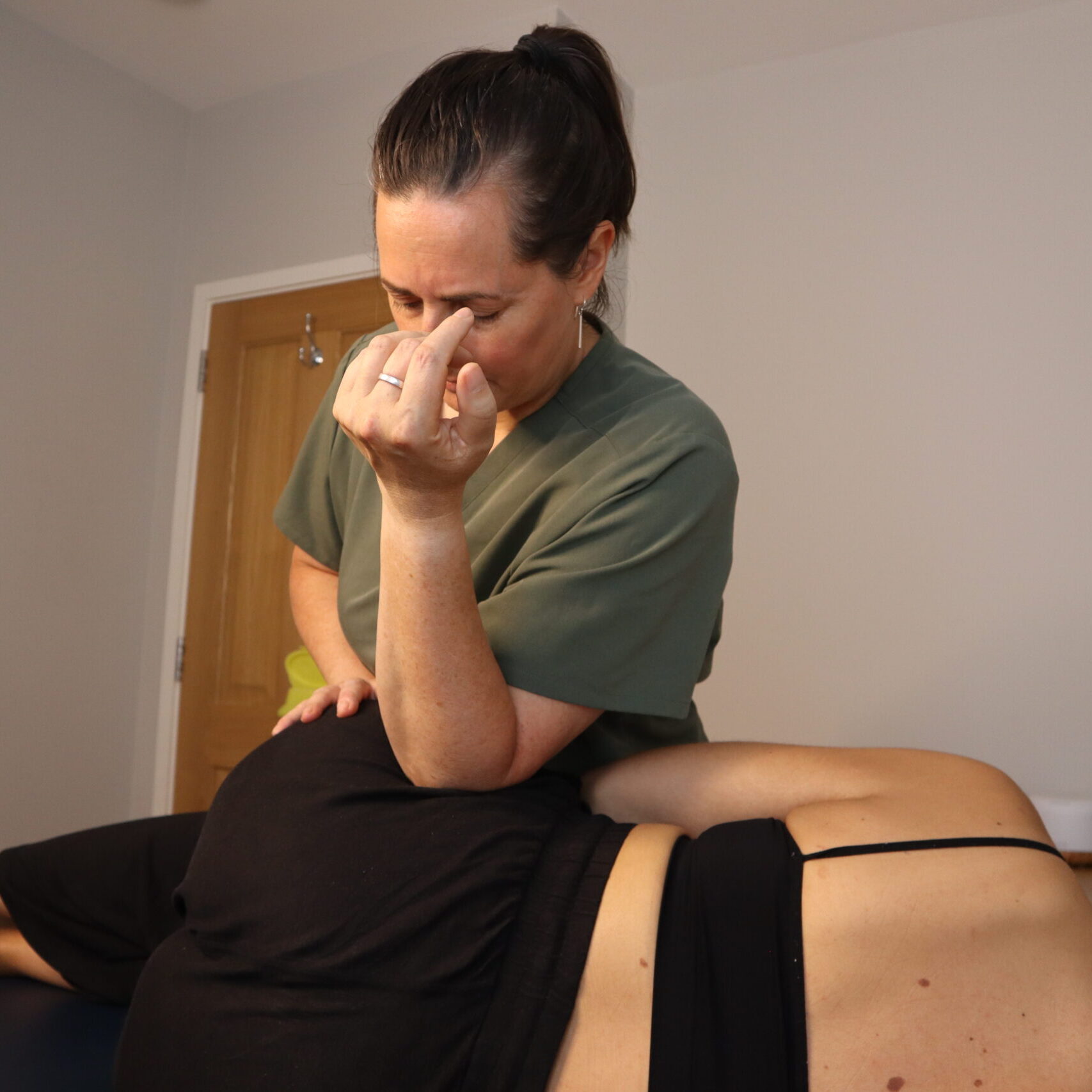
Through hands-on treatment, advice and movement guidance, osteopathy helps restore function, reduce pain, and improve your quality of life.
What osteopathy can help with
- Back or neck pain
- Joint discomfort (knees, hips, shoulders etc)
- Sciatica or neuralgia
- Pregnancy related pain and tension
- Sports injuries
- Headaches and migraines
- Fibromyalgia
- Pelvic pain
- Repetitive strain issues
- Children and teens with postural changes or injury
If pain is affecting your daily life — whether suddenly or over time — osteopathy may be the right step for you.
What to expect?
Consultation
Your first appointment includes time to talk through your condition and explore your health history. You'll be encouraged to share what’s going on in your body and how it’s affecting your life.
Examination
To assess your movement and function, we’ll ask you to undress to your underwear or wear loose, baggy clothing. Your practitioner may assess posture, movement, flexibility and joint health. In some cases, tests like blood pressure or reflex checks are included. If needed, we may suggest imaging (like an X-ray or MRI) via referral.
Diagnosis
You’ll receive a clear explanation of what’s happening in your body — and why it might be happening. We’ll share our findings, talk through a tailored treatment plan, and answer any questions you have.
Treatment
Osteopaths use a wide range of tools — from mobilisation and stretching to dry needling, cranial techniques, massage and more — to improve function and support recovery. You’ll also receive advice or exercises to help you continue improving between sessions.